

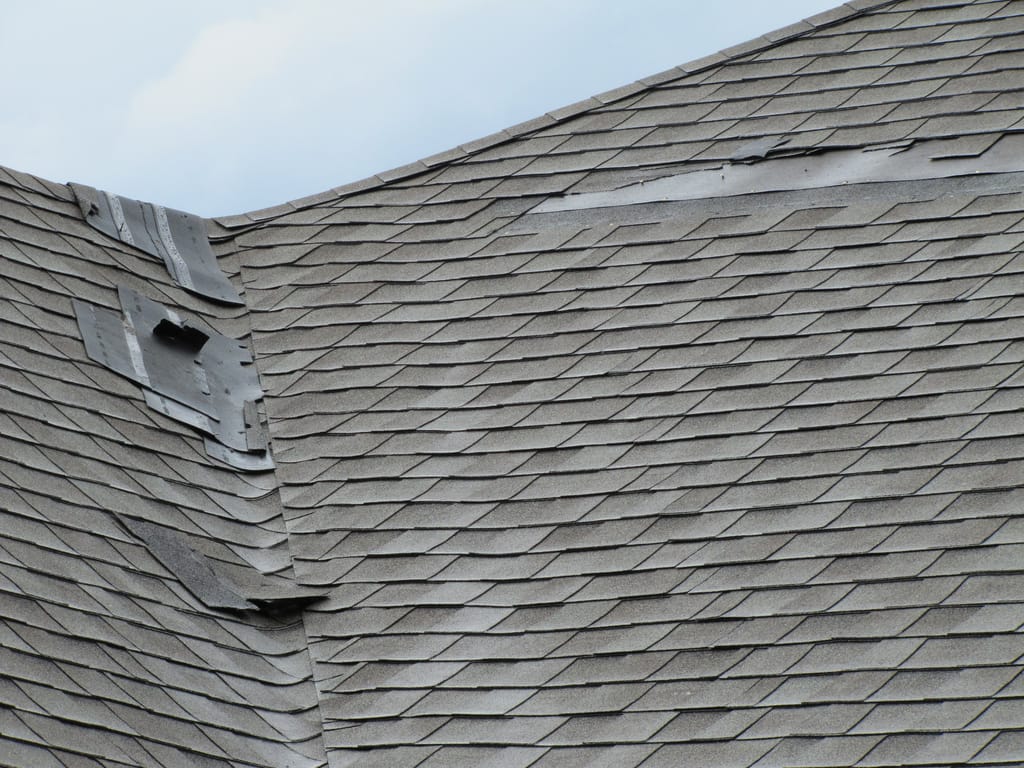
Ask most homeowners why roofs fail and you’ll hear the usual answers: age, storms, defective shingles.
Those things can matter—but in the Pacific Northwest, they’re rarely the real reason a roof reaches the end of its life.
After inspecting hundreds of roofs across Washington—from tree-covered Seattle neighborhoods to wind-exposed island homes—one pattern consistently stands out. Roofs here don’t usually fail suddenly or dramatically.
They fail slowly, quietly, and internally.
The biggest issue isn’t how hard it rains.
It’s how long moisture stays trapped in the roofing system.
In this region, roofs are constantly exposed to conditions that prevent proper drying: light rain, mist, shade from trees, cool temperatures, and high humidity. When a roof system isn’t designed—or maintained—to manage moisture effectively, damage accelerates even when everything looks fine from the ground.
That’s why many homeowners are caught off guard. By the time a roof leaks, the real failure has often been happening for years.
The #1 Roofing Problem in the Pacific Northwest: Moisture That Can’t Dry
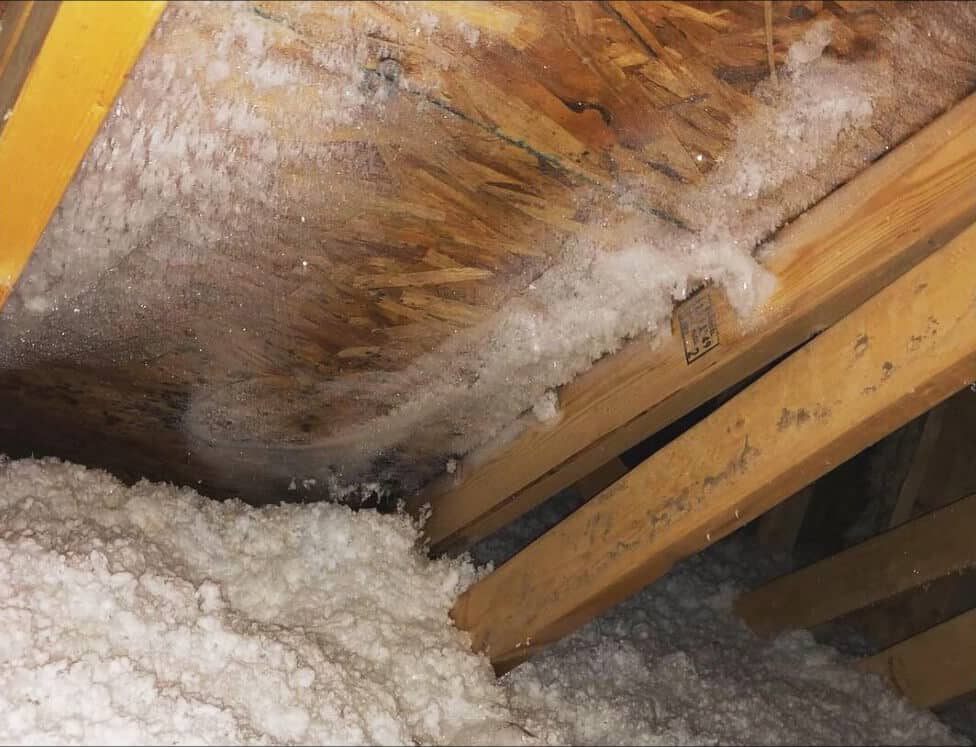
A roof’s job isn’t just to keep rain out. It also has to dry properly.
When moisture enters a roofing system and can’t escape, it creates a chain reaction that shortens roof life dramatically. This happens everywhere, but Pacific Northwest conditions amplify the problem.
Moisture that can’t dry leads to:
- Shingle deterioration
- Mold and rot in roof decking
- Loss of structural integrity
- Leaks that appear only after major damage has already occurred
In hotter or drier climates, roofs often have long drying cycles between storms. Here, those cycles are short or nonexistent. Roofs may stay damp for days—sometimes weeks—at a time.
When moisture is absorbed repeatedly and never fully released, materials age faster than expected. Shingles lose flexibility. Flashing deteriorates. Fasteners corrode. Plywood weakens.
By the time water shows up inside the home, repairs are often no longer simple.
How Pacific Northwest Weather Traps Moisture in Roof Systems
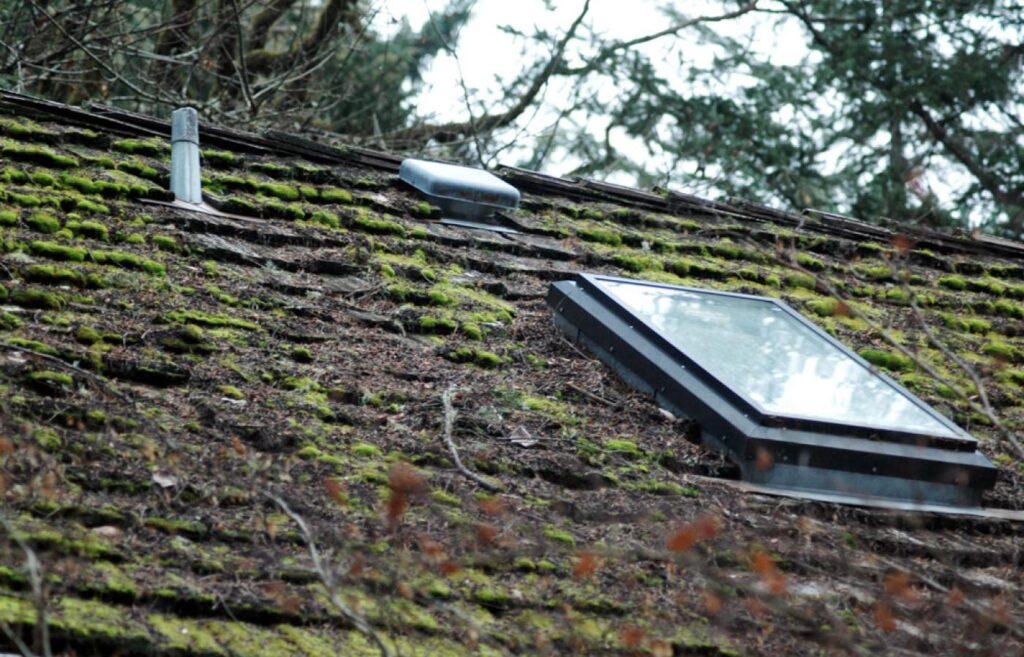
Roof damage in the Pacific Northwest isn’t driven by extreme weather. It’s driven by persistent conditions.
Several regional factors work together to prevent roofs from drying properly:
- Frequent light rain and mist that re-wet surfaces before they dry
- High year-round humidity that slows evaporation
- Cool temperatures that reduce drying efficiency
- Heavy tree coverage that limits sun exposure and traps debris
Together, these conditions mean that even small amounts of moisture—from rain intrusion, condensation, or humidity—can remain in the roofing system far longer than intended.
Once moisture is trapped, everything else accelerates. What looks like normal aging is often ongoing moisture damage beneath the surface.
The Most Common System Failures We See on PNW Roofs
Aging Asphalt Shingles That Absorb Moisture
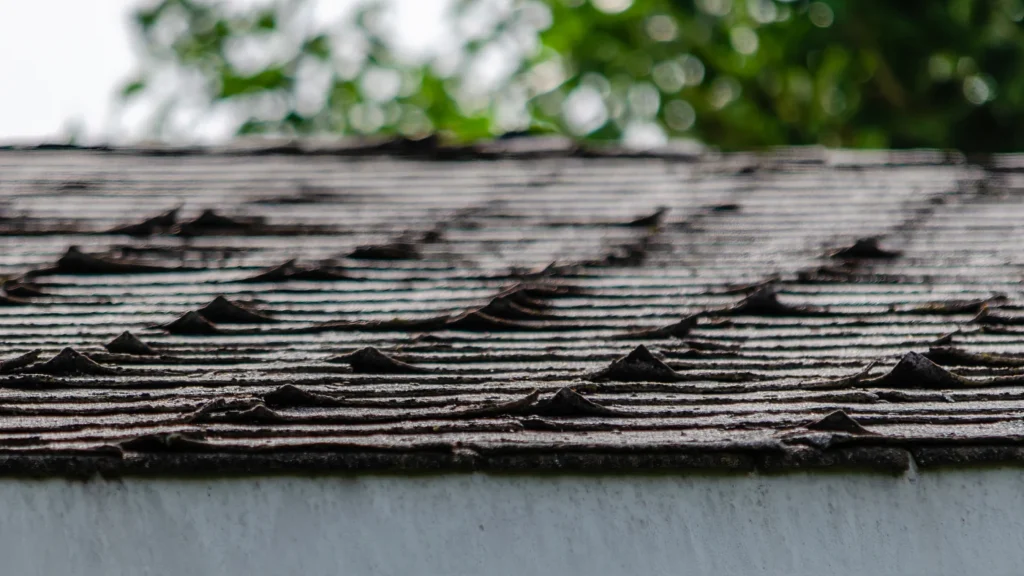
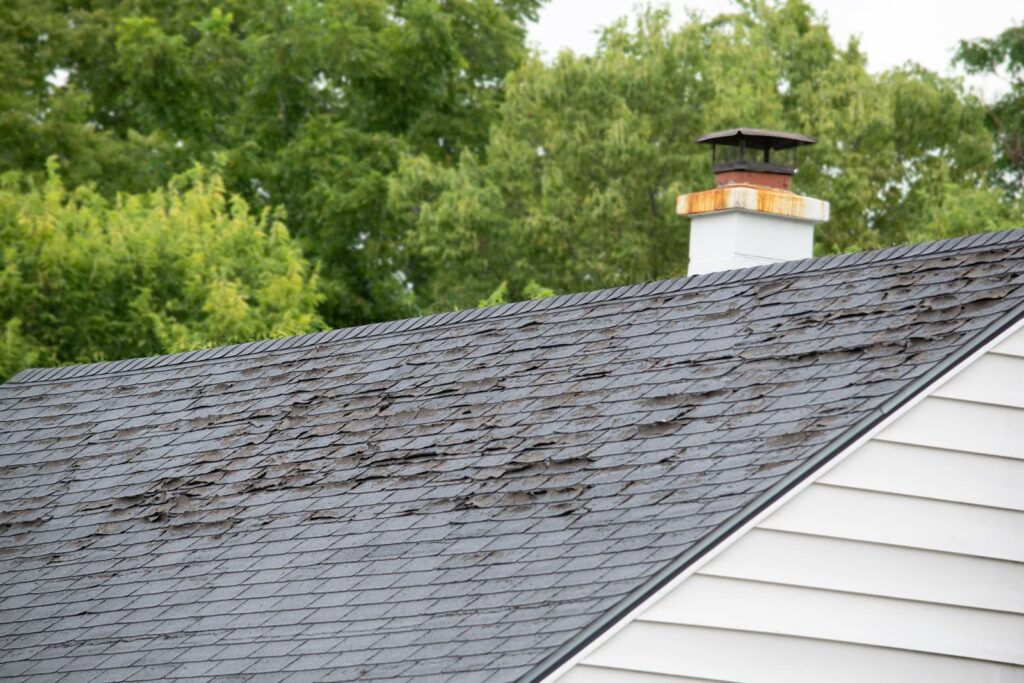
As asphalt shingles age, the oils that keep them flexible slowly dry out. Once those oils are gone, shingles become brittle, crack, and lift. The fiberglass mat inside the shingle becomes exposed.
At that point, shingles stop shedding water and start absorbing it—acting more like a sponge than a barrier.
This is one of the most common reasons Pacific Northwest roofs leak “out of nowhere.”
Ventilation Failures From Below
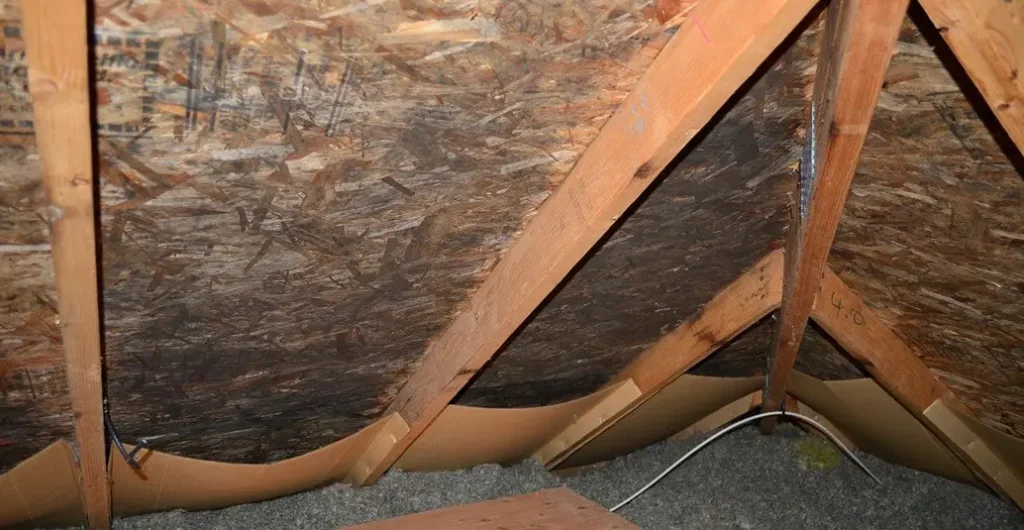
Moist air from bathrooms, kitchens, and living spaces naturally rises into the attic. Without proper ventilation, that moisture condenses on the underside of the roof decking.
Over time, this leads to:
- Mold growth
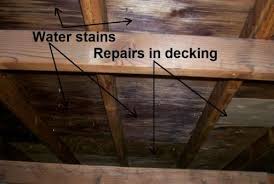
- Softened or rotting plywood
- Premature shingle failure from below
Often, the roof surface looks acceptable while serious damage is happening out of sight.
Flashing Failures at Roof Transitions (Not Shingles)
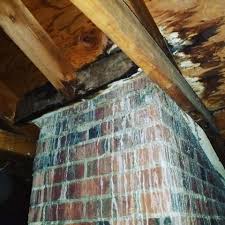
Most roof leaks don’t occur in the open field of the roof. They happen where water concentrates:
- Valleys
- Chimneys
- Skylights
- Roof-to-wall intersections
Improper or aging flashing allows water to enter the same locations repeatedly. This leads to localized rot and recurring leaks, even when surrounding shingles appear intact.
Missing or Inadequate Edge Protection
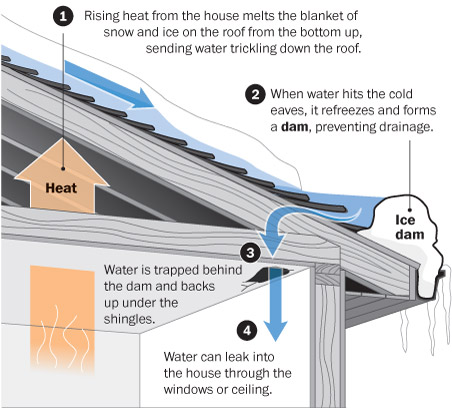
Roof edges are especially vulnerable in the Pacific Northwest. Missing or inadequate drip edge, starter metal, or ice-and-water protection allows water to wick back into the roof system.
The result is often rotting eaves, fascia damage, and structural deterioration that isn’t visible until major repairs are required.
Moss Isn’t the Problem—It’s a Warning Sign
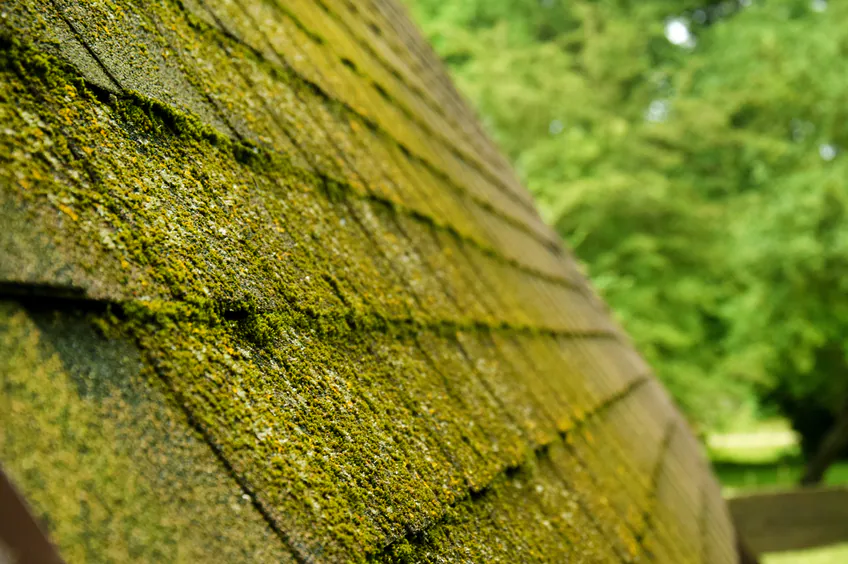
Moss doesn’t destroy roofs by itself. It tells you moisture isn’t drying properly.
In the Pacific Northwest, moss growth usually signals:
- Constant moisture exposure
- Lack of adequate drying cycles
- Aging or compromised roofing materials
Pressure washing moss often causes more harm than good. It strips protective granules, exposes fibers, and forces water beneath shingles—accelerating roof failure instead of preventing it.
Why Island and Coastal Roofs Fail Faster
Island and coastal homes face the same moisture challenges, with added stressors that speed everything up.
Salt air accelerates corrosion of flashing, fasteners, vents, and other metal components. Sustained winds break shingle seals and drive water into vulnerable transitions. Higher humidity further limits drying.
On island and coastal properties, standard installation methods are often not enough. Materials, fastening patterns, and detailing have to account for wind exposure and corrosion, or roofs fail prematurely.
Materials and Design Choices That Help Roofs Dry Properly
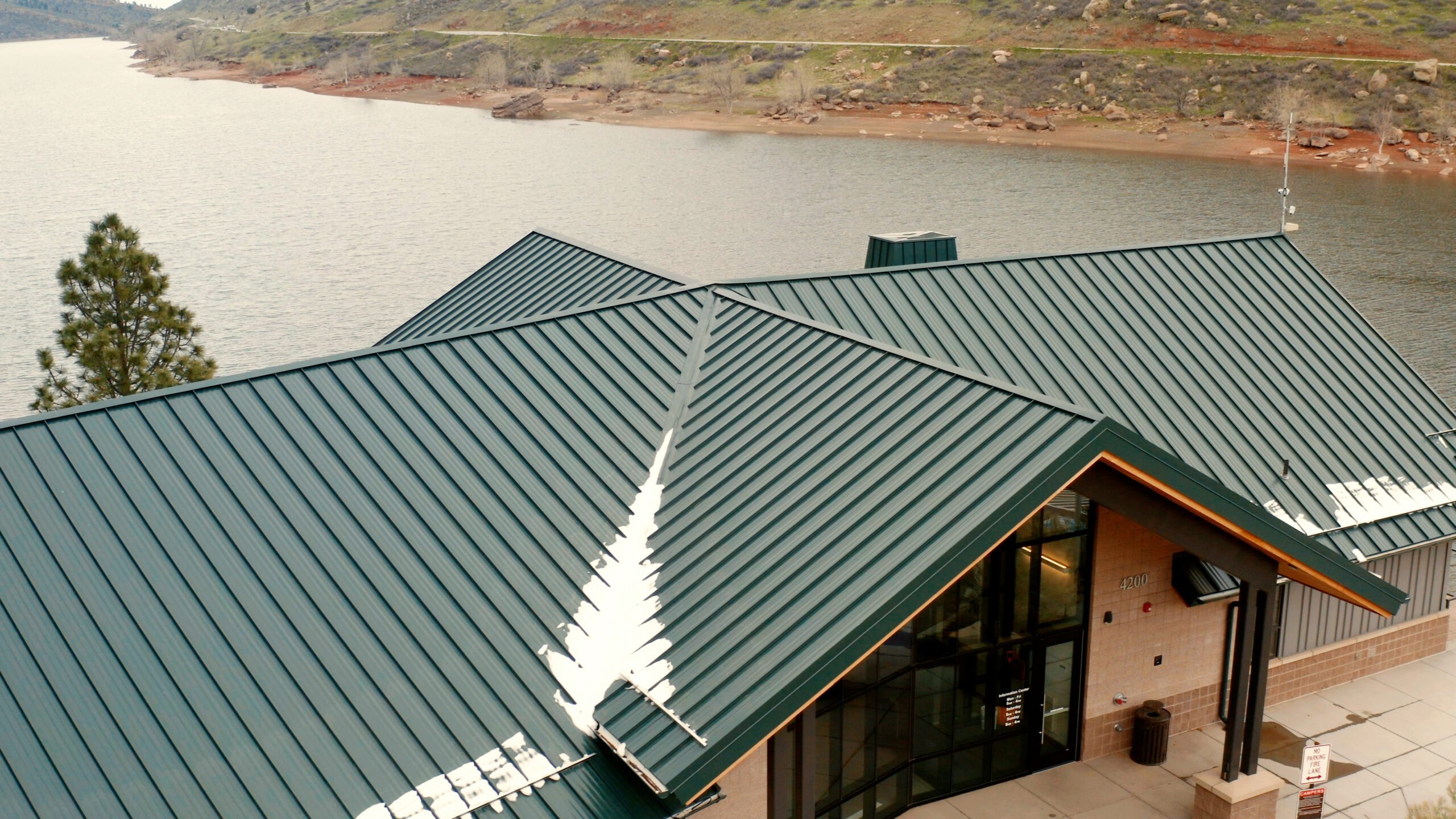
No roofing material is immune to moisture. Some systems simply handle Pacific Northwest conditions better when designed correctly.
Common options include:
- Architectural asphalt shingles, which require proper ventilation and ongoing maintenance
- Standing seam metal roofs, which shed water and debris efficiently but must address condensation correctly
- Cedar shake, which can perform well but requires frequent maintenance and typically has a shorter lifespan in constant moisture
Design details matter just as much as materials:
- Proper roof slope
- Open, well-designed valleys
- Quality underlayment
- Balanced attic ventilation
A roof that dries efficiently will always outperform one that simply looks good on day one.
Early Warning Signs Homeowners Commonly Miss
Interior Indicators
- Musty attic odors
- Damp or compressed insulation
- Staining on roof decking
Exterior Indicators
- Granules collecting in gutters
- Curling or lifting shingles
- Moss spreading beyond isolated patches
- Loose or deteriorated flashing
Structural Red Flags
- Sagging roof lines
- Repeated “mystery leaks”
- Excessive shingle debris after moderate wind
Catching these issues early often means repair is still possible. Waiting usually means replacement.