
When homeowners start researching roofing options, one question always comes up:
“Is metal roofing really worth it compared to asphalt shingles?”
The short answer is yes—when installed correctly, standing seam metal roofing is one of the highest-performing roof systems available today.
That said, asphalt shingles are still a solid, proven roofing option at a more affordable price point. This isn’t a “metal good, asphalt bad” conversation. It’s about understanding performance, longevity, and what actually makes sense for your home and climate—especially here in the Pacific Northwest.
This article explains the differences honestly, why standing seam metal roofing consistently outperforms asphalt shingles, and why both systems still matter.
A Brief History of Metal Roofing
Metal roofing has been around far longer than most people realize. Early metal roofs date back hundreds of years and were commonly used on:
- Farm buildings
- Warehouses
- Churches
- Coastal structures
Why? Because metal lasted.
What’s changed over time is engineering and design. Modern standing seam systems are precision-formed, mechanically fastened or snap-locked, and engineered to handle movement, moisture, and extreme weather far better than older metal panels.
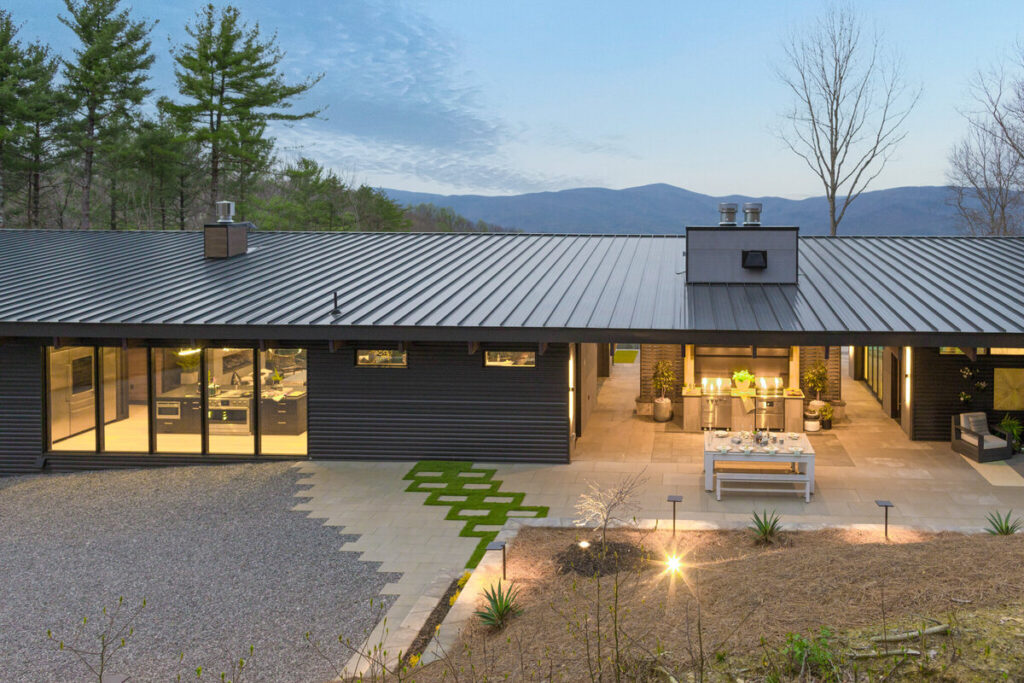
Today, standing seam metal roofing is chosen not just for durability—but also for clean architectural lines, modern aesthetics, and long-term value.
What Is Standing Seam Metal Roofing?
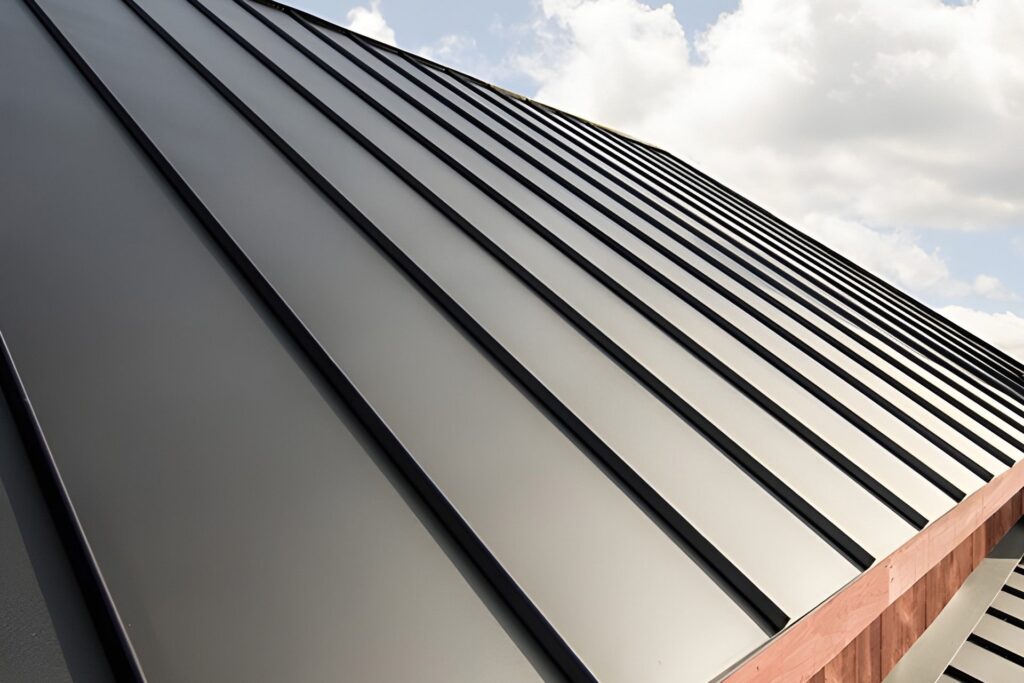
Standing seam metal roofing consists of continuous metal panels that run vertically from ridge to eave. The seams are raised and locked together, keeping fasteners hidden and water out.
Key characteristics:
- No exposed screws on the surface
- Panels expand and contract naturally
- Designed for long panel runs and heavy rain flow
- Clean, modern appearance
This system is fundamentally different from corrugated or exposed-fastener metal roofs.
Why Standing Seam Metal Outperforms Asphalt Shingles
1. Superior Water Shedding
Water is the #1 enemy of any roof—especially in the Pacific Northwest.
Standing seam metal:
- Sheds water quickly
- Uses vertical seams that guide water down the roof
- Eliminates vulnerable horizontal joints
Asphalt shingles rely on overlapping layers and sealant strips. Over time, oils dry out, adhesion weakens, and shingles become more vulnerable to wind-driven rain.
2. No Granules, No Degradation
Asphalt shingles contain oils and granules that:
- Dry out with age
- Wash off over time
- Become brittle in colder months
Metal panels:
- Do not absorb moisture
- Do not rely on granules
- Maintain structural integrity for decades
This is one of the biggest performance differences homeowners don’t always see—until shingles begin failing.
3. Designed for High-Wind Areas
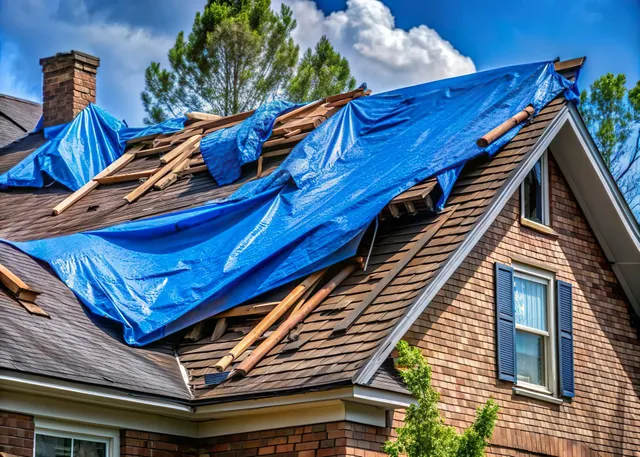
Standing seam metal roofing excels in windy environments because:
- Panels are mechanically attached
- Fasteners are concealed and protected
- The roof acts as one continuous system
In coastal and exposed areas common throughout the Pacific Northwest, this matters.
Shingles, by contrast:
- Can lift and crease
- Rely on adhesive strips
- Are more prone to wind damage over time
4. Long Service Life & Low Maintenance
Typical lifespan:
- Asphalt shingles: 20–30 years (often less in harsh climates)
- Standing seam metal: 40–70+ years when installed correctly
Metal roofs require:
- Minimal maintenance
- Fewer repairs
- No periodic replacement of surface materials
Why Metal Roofing Is Ideal for the Pacific Northwest
The Pacific Northwest presents unique roofing challenges:
- Persistent rain
- Heavy moisture
- Wind exposure
- Moss and algae growth
Standing seam metal roofing addresses all of these:
- Smooth surfaces discourage moss buildup
- No organic materials to absorb moisture
- Excellent drainage during long rainy seasons
- Strong wind resistance during storms
Simply put, metal roofing is engineered for wet climates.
Aesthetic Appeal: Why Homeowners Love the Look
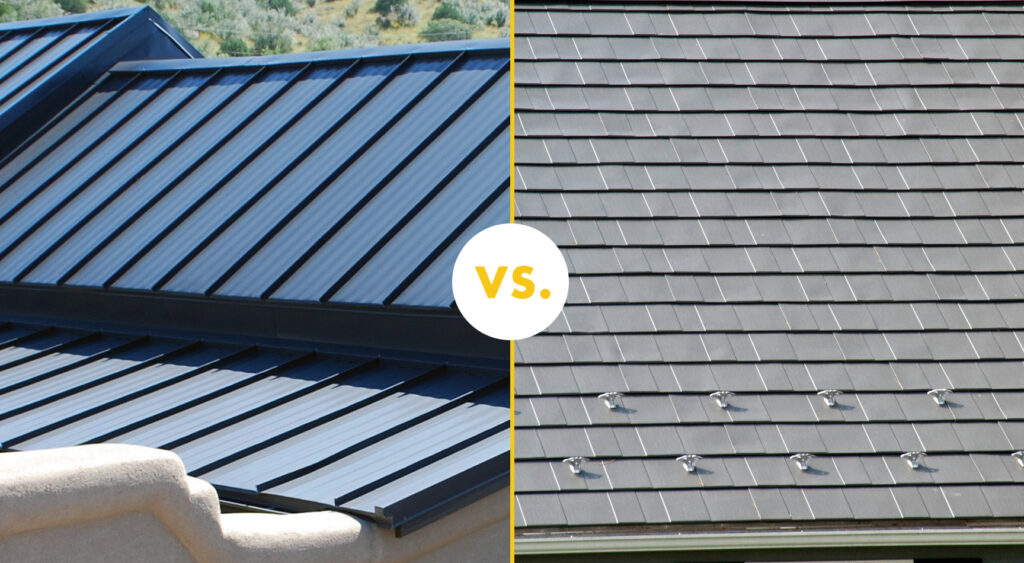
Beyond performance, metal roofing has become increasingly popular because of its appearance.
Standing seam panels offer:
- Clean, modern lines
- Architectural depth
- Compatibility with both modern and traditional homes
- A premium, high-end finish
Many homeowners choose metal not just for durability—but because it elevates the entire look of the home.
What Actually Makes a Metal Roof Perform
When we recommend a standing seam metal roof, it’s never just about the panels. Performance comes from the entire system, including:
- Proper underlayment selection
- Ice & water protection at critical areas
- Correct flashing at penetrations, valleys, and walls
- Expansion allowances for thermal movement
- Clean detailing at eaves, rakes, and ridges
Metal roofing only performs as well as it’s installed.
Is Asphalt Shingle Roofing Still a Good Option?
Absolutely.
Asphalt shingles remain:
- More affordable upfront
- Widely available
- A solid choice for many homeowners
Modern architectural shingles can still deliver 20+ years of service when installed properly and maintained.
For many families, asphalt shingles strike the right balance between performance and budget—and that matters.
Metal vs. Asphalt: Choosing What’s Right for You
Choose standing seam metal roofing if you want:
- Maximum longevity
- Superior weather resistance
- Minimal maintenance
- A premium architectural look
Choose asphalt shingles if you want:
- Lower upfront cost
- Proven performance
- A traditional appearance
There’s no one-size-fits-all roof—only the right roof for your home, goals, and budget.